Sunday, 21 December 2014

Obesity could 'rob you' of 20 years of health

Around 1 in 4 adults in the UK are obese
Obesity increases the risk of chronic diseases like diabetes
"Obesity knocks 20 years of good health off your life and can accelerate death by eight years," the Mail Online reports.
A study has estimated very obese men aged 20 to 39, with a body mass index (BMI) of 35 or above, have a reduced life expectancy of eight years.
This is as a result of their higher risk of cardiovascular disease and type 2 diabetes. For women of this age, the life expectancy is six years less.
What is also worrying is the much larger number of healthy years of life lost because of the chronic illness caused by these two conditions, which are obesity related.
Obesity in this age group is estimated to cause 11 to 19 fewer years of healthy life, which could have a considerable negative impact on a person's quality of life.
This is likely to be an underestimate, however, as it did not take into account other illnesses associated with increased weight, such as certain cancers, liver and kidney diseases. 
A truism is that a model is only as good as the data you put into it. Reassuringly, the researchers used a well-regarded data set.
The researchers hope these results can help healthcare professionals give people a greater understanding of how much obesity is putting people at risk of long-term chronic ill health.

Tuesday, 9 December 2014

10 ways to eat well for less

Out of the reams of material written about how to eat well, Michael Pollan’s now famous opening to his book, Food Rules, still offers the best advice. “Eat food. Not too much. Mostly plants”. With these simple words he gave a prescription for not only a healthy, sustainable diet, but also a way of keeping the cost of our food to a minimum.
It is a myth that we need to buy expensive, organic produce, or shop in ‘foodie’ delis to be doing our bit for the planet. Eating sustainably and eating cheaply can go hand in hand, so long as we re-programme our consumer approach to food. The best way to reduce the impact our food makes is actually to buy less of it – shocking but possible I promise! We also need to start sourcing our food from outside the supermarkets. These top ten tips will point you in the right direction.

1. Grow your food

Whether you live on an acre of land or in a block of flats, you can always find somewhere to grow food. A window sill or balcony are perfect for herbs, salads or tomato plants. If you have a bigger space, there’s no excuse. At this time of year, you can make most of the family meals with the produce from a good size veg patch. If you plant from seed, you’re looking at a few pennies per lettuce or beetroot bunch. Or if, like me, you cheated and used seedlings then it’s more like a 10p a vegetable. Either way, it’s pretty good value for organic, freshly picked produce.

Growing your own food remains the single most effective way of connecting you to your food supply. If you’ve grown it, you not only want to eat it but there’s no way you’re going to waste it either. In the last few weeks, I have put courgettes in everything from fritters to chocolate cakes to ensure that the hours I lovingly weeded, watered and waited are not in vain.

2. Reduce meat

Meat is not only expensive to buy; producing it takes a significant toll on the planets resources. In the U.S. alone, 70 percent of agricultural land is given over to growing food for livestock, using huge amounts of water as well. The 2011 Livewell Report – aimed at establishing the ideal balance between healthy and sustainable eating – recommended reducing our consumption of white and red meat from an average of 79kg per person a year to 10kg a year. Everyone from Hugh Fearnley-Whittingstall to Jamie Oliver is now behind cooking more vegetarian food, so start experimenting with some new recipes.

3. Visit markets

Farmers markets continue to be one of the best locations to buy local food cheaply. Of course, you can also buy some very expensive food here too, so stick to the seasonal fruit and veg. Try visiting at the end of the day to get the real knock down deals – no stall owner wants to be left with a pile of unsold bread rolls or wilting herbs. As well as markets, look out for farms where you can pick your own fruit, or buy honey and eggs from a roadside table.

4. Buy direct

One of the best ways to reduce the cost of organic food is to buy direct from the retailer through a food co-op. This is particularly good for dry goods like rice, beans, nuts and flour, which you can buy in bulk and divvy out to members. Co-ops do require a little extra work as members need to collect the money, separate the goods and generally be quite organised, but the reward is in purchasing quality food at wholesale prices. Go to www.foodcoops.org and type in your postcode to find one near you.

Another way of buying direct is to look for companies already offering this service. One example is Somerset Local Food Direct, which sources food from local farmers and producers, and delivers them to your door for £3.00 – cheaper than the cost of the petrol to the local supermarket, in my case.

Finally, you can sign up for a box scheme. There are well known companies like Riverford or Abel and Cole but you can find cheaper, more local options. Close to us, we have a community farm which delivers and a Victorian walled garden where, for a tenner, you can get a box of veg all grown on site.

5. Forage

Despite the commercialisation of our food supply, there is still an abundance of food to be had for free. If you live outside of a city, you only need to look in the fields and hedgerows to find a wealth of vitamin-rich produce waiting to be whipped into a meal. In the last few months, I have served up wild garlic pesto, nettle soup, elderflower cordial and gooseberry fool, and I’m only a beginner. Experienced foragers will be stockpiling nuts, roots and mushrooms by now.

Urban foraging requires a different approach – namely knowing where the supermarkets out their produce at the end of the day. (It’s usually in a bin behind the store). Don’t by shy – it’s a disgrace that good food is wasted like this. Dive in and do your bit for the planet and your pocket.

6. Buy and cook in bulk

It may seem to counter-intuitive, but buying more can often cost less. A number of wholefood stores now offer the opportunity to buy oil, lentils, cereal, beans and other dry goods in large quantities at far cheaper prices per kilo than if you buy a smaller amount.
Also cook more than you need and freeze it. There’s a lot of time and energy that goes into making a lasagne, so why not make two and put one away for another day.

7. Talk to a granny

Part of the reason we spend too much on food is that the old wisdoms are no longer passed down. We don’t trust our noses to tell us when food is off, but throw it out according to a date that the supermarket has stamped on the lid. Making jams, preserves and pickles when fruit is cheap and plentiful was once a family activity and recipes were passed down through the generations. My granny – like many others – cooked a roast on Sunday, served it cold on Monday and turned it into mince for Tuesday’s dinner. Re-discovering some of these old frugal ways, can keep costs and waste to a minimum.

8. Make the most of leftovers

The average British family throws out £50 of food a month. We think nothing of scraping our child’s untouched meal into the bin or throwing out the end of the cheese or bread. There are hundreds of recipes that will turn these unwanted leftovers into another family meal, which will not only save money but prevent you from having to cook from scratch again. Whizz up stale bread to make breadcrumbs, put soured milk into baking, freeze leftover wine or beer in ice cube trays to use when cooking. .

9. Swap

Get to know your neighbours and start a food exchange. Some might have apples trees while others are great at baking. You could have more rhubarb than you know what to do with. Those who have excess food and little time could provide the produce while others could turn it into delicious pies, cakes or jams.

10. Eat less

It might sound a little extreme but the reality is that most of us eat too much. Our bodies would be much better off if we gave our digestive system a break – at least between meals – and didn’t eat until we were bursting. Obesity is now as big a problem worldwide as hunger, so buying and eating only the amount of food that your body actually needs can help the planet, your pocket and your health.

Tuesday, 2 December 2014

12 tips to help you lose weight on the plan

Get off to the best possible start on the NHS Choices 12-week weight loss plan with these 12 diet and exercise tips.

1. Don’t skip breakfast

Research shows that eating breakfast helps you control your weight. Some people skip breakfast as they think it will help them loose weight but missing meals doesn't help us lose weight and isn't good for us because we can miss out on essential nutrients.  It could also encourage us to snack more throughout the day because you feel hungry’.

2. Eat regular meals

Some people think missing meals will help them lose weight, but it has been shown that eating regularly during the day helps to burn calories at a faster rate as well as reduce the temptation to snack on foods high in fat and sugar..

3. Eat plenty of fruit and veg

Fruit and veg are low in calories and fat and high in fibre – three essential ingredients for successful weight loss. They also contain plenty of vitamins and minerals.

4. Get more active

Studies show that regular activity is key to losing weight and keeping it off. As well as providing numerous health benefits, exercise can help burn off the excess calories you can't cut through diet alone.

5. Drink plenty of water

People sometimes confuse thirst with hunger. You can end up consuming extra calories when a glass of water is really what you need. You should aim to drink about six to eight glasses (1.2 litres) of fluid, preferably water, every day – or more if it’s warm or you’re exercising.

6. Eat high-fibre foods

Foods containing lots of fibre will keep you feeling full for longer, which is perfect for losing weight. Fibre is only found in food from plants, such as fruit and veg, oats, wholegrain bread, brown rice and pasta, beans, peas and lentils.

7. Read food labels

Knowing how to read food labels can help you choose healthier options, and keep a check on the amount of calories, fat, salt and sugars you eat.

8. Use a smaller plate

Studies show that people who use smaller plates tend to eat smaller portions and still be satisfied. By eating with smaller plates and bowls, you may be able to gradually get used to eating smaller portions without going hungry. It takes about 20 minutes for the stomach to tell the brain it’s full, so eat slowly and stop eating before you feel full.

9. Don’t ban foods

Don’t ban any foods from your weight loss plan, especially the ones you like. Banning foods will only make you crave them more. There’s no reason you can’t enjoy the occasional treat as long as you stay within your daily calorie allowance.

10. Don't stock junk food

To avoid temptation, avoid stocking junk food, such as chocolate, biscuits, crisps and sweet fizzy drinks, at home. Instead, stock up on healthy snacks, such as fruit, unsalted rice cakes, oat cakes, unsalted or unsweetened popcorn and fruit juice.

11. Cut down on alcohol

Did you know a standard glass of wine can contain as many calories as a piece of chocolate, and a pint of lager has about the same calorie count as a packet of crisps? Over time, drinking too much can easily contribute to weight gain. .

12. Plan your meals

Plan your breakfast, lunch, dinner and snacks for the week, making sure you stick to your calorie allowance. Try to plan for four to seven days’ worth of meals and snacks. Make a shopping list, but don’t shop when you’re hungry as that can lead to high-calorie impulse buys!

Tuesday, 25 November 2014

10 Ways to Lose Weight and Improve Your Self Esteem

It is true that a lot of people want to lose weight for health reasons, but it is also true that one of the primary reasons that makes people think of their weight is because they want to look good. This is certainly acceptable because what we look outside greatly affects how we feel about ourselves inside. People who are leaner receive compliments from family and friends and this improves their self-esteem in one way or another.
Fat (overweight) people on the other hand are even criticized for being fat and this has a negative impact on their self-esteem and sometimes it may even cause depression. An overweight or obese person could even hear hurtful words like “you are ugly”, “we don’t have your size”, and “you’ll die young” which could pull their self-esteem to the ground.

Experts say that people with low self-esteem tend to eat more; this is how their defense mechanism works and they do not have the willpower needed to exercise and lose the extra weight. This means, that if you are serious to shed the excess pounds, you should start in conditioning your mind first.
1. Convert negative thoughts to positive ones
Negativism prevents anyone from achieving their goals. A good dose of positive thought will greatly give you the drive to lose weight and be physically fit. This means that instead of saying “I CAN’T do it”, say “I CAN do it”, instead of saying “I DO NOT have the time for workouts”, say “I WILL find time to workout.”
2. Don’t linger in the past
“Past is past; it’s time to move on” as they always say. You may had the biggest butt in high school and your schoolmates make fun of you; NEVER let this past experience pull you down but instead see it as a motivation to prove to them (and yourself) that you CAN have a lean body. So, instead of saying “I am this way ever since and I’ll be this way forever”, tell your self “I may be like this ever since but I am bound to prove to them that I can do this.”
 3. Forgive yourself
Go easy on yourself because you are a work in progress. You have to know that losing weight healthy is a gradual process; from a pound of burger to half a pound to a quarter pound until you are satisfied in eating a healthy salad. So, if you are tempted to eat a piece of that blueberry cheesecake, go ahead and have a piece and learn to forgive yourself.
4. Don’t blame your genes
Your parents as well as all the people on top of your family tree are obese; does this give you an excuse for being obese? DEFINITELY NO! Though genes play a part in your body shape and your susceptibility to gain weight, it is still YOU who makes the decisions on what to eat and how much you workout. Don’t let the people around you stop your from being healthy. Be inspired by the sexy Jessica Alba who grew up with a “heavily overweight” family. She was determined to be in shape and she succeeded and now, she is one of the sexiest women in the world.
5. Keep track of your progress
To help you get motivated, keep a journal or a scrapbook where you can post your weight loss progress as well as how you feel about it. This will help you bring out your feelings and motivates you to continue eating healthy and exercise regularly. As you read back on the pages, you would appreciate your efforts and notice that you feel happier each day. Heidi Klum takes a picture of herself nude every week to track her progress in shedding off the post-pregnancy weight; this motivates her to exercise and caused her to lose 30 pounds in 6 months.
6. Praise your progress
If you notice that you lost a pound, give yourself a pat in the back and say “I DID GREAT!” Losing weight is definitely not as easy as it may sound so every progress (big or small) that you achieved should be recognized.
7. Compliment yourself regularly
To help keep you moving, you must constantly remind yourself that you are a beautiful person. You must learn to compliment yourself first before you expect others to compliment you. Personally, I face the mirror every morning and tell my reflection “Good Morning sunshine, you look stunning today!” These words are in my head all day and helps boost my self-esteem.
8. Treat yourself
You have been eating less than you usually do and completed your workout routine for the week; aside from complimenting your progress, you should also treat yourself. You could treat yourself with a day in the spa, a new dress that you have been eyeing for months, or even a bite-size of your favorite chocolate. You deserve it!
9. Have a BFF nearby or someone who can motivate you
Congratulating yourself can keep you motivated, but hearing somebody else’s compliments can greatly boost your self-esteem a gazillion percent. Human as we are, we love to hear that others tell us that we look good and this motivates us to look even better causing us to double our efforts to lose weight.
10. Be a happy person
Depressed persons tend to eat more and don’t have the drive to exercise causing them to gain even more weight and eventually become obese. On the other hand, happy persons have all the energy to workout and think before they eat, thus they are learner and healthier. By simply staying happy, you get to project a positive aura causing people to compliment you thus boosting your self-esteem and your desire to look better by losing weight.

Saturday, 15 November 2014

Weight loss surgery 'reduces chance of Alzheimer's Disease'

Stomach stapling and gastric bands could reduce the chance of dementia, research sugggests

Weight loss surgery 'reduces chance of Alzheimer's'
Previous research has found that obesity increases the risks of the condition by 35 per cent. Photo: PA
Previous research has found that obesity increases the risks of the condition by 35 per cent.
The new study found that when obese women underwent bariatric surgery changes in their brain which are linked to Alzheimer’s disease were reversed.
Brain scans found that before the operations, the obese women had increased activity in a part of the brain – the posterior cingulate gyrus – which is connected to the development of dementia.
Six months after surgery, the activity levels in the same part of the brain were similar to those of lean women.
Separate neuropsychological tests found improvements in organisational and planning skills, after obese women underwent surgery.
The study, published in the Journal of Clinical Endocrinology and Metabolism, is the first to assess brain activity in women before and after bariatric surgery.
The brains of the obese women metabolised sugars at a higher rate than those among women of normal weight, the study found, leading to the changes in brain activity, researchers said.
Study co-author, Doctor Cintia Cercato, from the University of San Paolo, in Brazil, said: "When we studied obese women prior to bariatric surgery, we found some areas of their brains metabolised sugars at a higher rate than normal weight women.
"In particular, obesity led to altered activity in a part of the brain linked to the development of Alzheimer's disease - the posterior cingulate gyrus.
"Since bariatric surgery reversed this activity, we suspect the procedure may contribute to a reduced risk of Alzheimer's disease and other forms of dementia."
Dr Cercato said: "Our findings suggest the brain is another organ that benefits from weight loss induced by surgery.”
Health experts say obesity and dementia are two of the greatest challenges facing Britain.
Earlier this year the National Obesity Forum said forecasts that half of the country will be obese by 2050 underestimate the scale of the problem.
Meanwhile, the number suffering from dementia is expected to double within two decades, amid an ageing population.
Last month controversial draft guidance from the National Institute of Health and Care Excellence (Nice) suggested that up to a million more people could be considered for gastric bands and stomach stapling.
Nice said the costs of surgery were worth it because obesity fuels so many other health problems, especially diabetes.

Thursday, 6 November 2014

New Approach to Weight Loss


Most strategies to combat obesity have, until now, included dietary counseling and self-discipline and we know that obesity has been linked to depression.
Rush University Medical Centre has come up with a new approach which views obesity as a result of neurobehavioural processes.  This means that eating responses depend on how the brain responds to cues in the environment.
This new approach has been designed by preventive medicine and behavioural experts and is reviewed in the Journal of the American Dietetic Association.
 “Typically, overweight and obese patients receive education about dietary contributions to weight gain, and they are simply encouraged to fight the powerful urge to eat the delicious foods that are available almost everywhere in the environment, and instead, make dietary choices consistent with weight loss,” said Brad Appelhans, Ph.D., lead author of the article.
“Yet, we know this approach rarely works. Even highly motivated and nutritionally informed patients struggle to refrain from highly palatable foods that are high in sugar, salt and unhealthy fats.”
People are less likely to feel motivated to lose weight if the perception is that you become or remain obese because of unhealthy personal choices or a lack of willpower.
Researchers believe that the new model clarifies how personal choice is affected by environmental  and biological factors.
Experts believe the three neurobehavioral processes consistently implicated in obesity and overeating are food reward, inhibitory control and time discounting.
  • Food Reward – Food reward includes both the experience of pleasure one receives from eating and the motivational drive to obtain and consume highly palatable foods. Those with greater sensitivity to reward have stronger food cravings for sweet and fatty foods. This biologically-based sensitivity, coupled with easy access to delicious snacks and fast food outlets, makes one highly vulnerable to overeating and weight gain.
  • Inhibitory Control – Beyond the intensity of food cravings is the ability to suppress urges to eat high-calorie foods. Controlling behavior despite a strong motivation to eat is largely influenced by the brain’s prefrontal cortex, which is considered critical for self-control, planning and goal-directed behavior. The dorsolateral region of the prefrontal cortex is believed to be responsible for the decision to choose healthy food options over tastier options.
  • Time Discounting – A third factor that likely contributes to the low success rates of dietary interventions for obesity is the human tendency to devalue delayed rewards.
“Most of us would rather receive $200 today rather than $300 a year from now,” said Appelhans.
Likewise, the instant pleasure of eating has a greater effect on decision making than the health benefits of weight loss which are experienced later.
 “Obesity is heavily influenced by genetic vulnerabilities and a toxic food environment,” said Appelhans. “However, counselors can help patients control their weight through strategies focused on the interaction between the brain and the environment, rather than the traditional approach of encouraging patients to simply ignore or fight food cravings and eat fewer calories than they expend.”
Some of the strategies that are recommended by the researchers are;
  • In order to combat food reward, patients can remove high fat foods they crave from personal environments such as the home and workplace to prevent the activation of the reward circuitry;
  • Limit the impact of reward on food choice by shopping with a grocery list or using online grocers;
  • Practice stress management techniques since stress promotes overeating and obesity by enhancing food reward processing;
  • Avoid situations such as buffets and restaurants that challenge inhibitory control;
  • Focus on achieving short-term behavioral goals, such as cooking a healthy dinner on three nights of the week rather than focusing on long-term weight loss goals.

Saturday, 25 October 2014

Put the Brakes on Night-time Overeating

For many, Night-time is the Right Time to Overeat
When is the absolute worst time to overeat, metabolically speaking? Many experts agree that it's night-time, when our bodies have the lowest need for calories.
Yet "in America, we eat more during dinner than any other meal," says U.S. Department of Agriculture researcher Shanthy Bowman, PhD.
This is especially true for those of us who are overweight, according to a recent national USDA survey. It found that overweight adults tended to eat significantly more calories than normal-weight adults at dinnertime (while eating just a few more calories at breakfast and lunch).
Dinner isn't the only problem, either. While afternoon is the most popular time to snack, evening snacks are in the No. 2 position. According to a recent study from the University of Texas at El Paso, snacking at night makes it all too easy to overeat. That's because eating late in the day may be less satisfying than eating the same amount of food earlier in the day.
"Intake in the late night lacks satiating value and can result in greater overall daily intake" of calories, says the study's lead researcher, John de Castro, PhD, chairman of the psychology department at the University of Texas at El Paso.
Facts About Evening Eating
Over the years, De Castro's research into meal sizes, meal patterns, and calorie distribution has turned up some other findings about evening eating:
  • Meal size tends to increase over the day, with peaks at lunch and dinner. One study showed that participants ate 42% of their total daily calories during and after dinner.
  • Our evening food intake tends to be relatively high in fat, compared to that at earlier meals.
  • The longer the gap between dinner and the previous meal or snack, the larger the dinner. Interestingly, the gap between meals is a significant predictor of meal size for dinner only.
  • People who eat lightly at night end up eating fewer calories and grams of fat overall than people who eat big dinners and night-time snacks. According to the results of one study, people who had a light snack at night ate 9.3% fewer total calories and 10% less fat overall than those who ate larger night-time snacks.
Obesity expert Edward Saltzman, MD, thinks the real problem is not so much that we burn fewer calories at night, but that nighttime eating tends to result from unhealthy meal patterns. The three types of meal-pattern problems Saltzman sees most often are:
  • People don't eat during the day and then become ravenous and overeat at night. "If people wonder why they aren't hungry in the morning, it could be because they ate too much the night before," explains Saltzman, an energy metabolism scientist with the Jean Mayer USDA Human Nutrition Research Center on Aging at Tufts University.
  • Food is used for all sorts of emotional reasons at the end of a workday (as a relaxant, as entertainment, as a distraction, etc.)
  • Eating becomes associated with sedentary behavior, like watching television. In other words, we get into a pattern of eating while we watch TV or use a computer -- activities many of us tend to do in the evening.

Tips for Overcoming Nighttime Noshing

But even with all this working against us, experts say, it is possible to avoid night-time overeating. If you're a night-time nosher, here are some tips to help you kick the habit:
1. Get in the habit of enjoying a hot cup of decaffeinated tea at night. Tea comes in so many great flavors that you'll never be bored. In the warmer months, have a glass of iced tea instead.
2. Many people snack at night because they're bored. Keep your evenings interesting, and you'll find it easier to refrain from mindless snacking. Take a night class, plan an evening exercise session, find a new and interesting book or hobby, etc.
3. If you've gotten into the habit of eating in front of the television, vow to eat only in the kitchen and only drink no-calorie beverages while watching TV. Or limit your TV eating to fruits and vegetables. Occupy your hands in other ways -- ride a stationary bike, do exercises with an exercise ball, take up knitting, pay bills, or write notes to friends.
4. Because evening meals and snacks tend to be the highest in fat, it's especially important to make healthy food choices at this time. Go for foods that are rich in nutrients, high in fiber, and balanced with some lean protein and a little bit of "better" fat (like olive or canola oil, avocado, or nuts).

5. Though you don't want to eat too many calories at dinner, for some people, a small dinner could lead to a late-night snacking tailspin. Eat a balanced, high-fiber dinner. If you get hungry later, enjoy a smart and satisfying evening snack like low-fat yogurt with a sprinkle of whole-grain cereal, fruit with a few slices of cheese, or whole-grain cereal with milk.
6. Have a balanced, higher-fiber lunch and afternoon snack to help avoid overeating at dinner.
7. Don't skip breakfast. "When people skip breakfast, they end up eating more calories by the end of the day, and we know that they end up compensating for this skipped meal with high-sugar, high-fat foods," explains Bowman.
8. People who eat small, frequent meals tend to eat fewer total calories and fat grams than those who eat larger meals less often. Try eating small, frequent meals to see if it improves the way you eat and feel.
9. If you're in the habit of finishing your day with dessert, try having a mini-portion. The first few bites of a food always taste the best, anyway. Experts say a petite portion is more likely to satisfy if you choose a dessert you truly enjoy, take your time and savor every bite, and accompany your treat with a cup of hot coffee or tea.

Monday, 20 October 2014

13 Ways to Fight Sugar Cravings

Sweet tooth raging out of control? Here's how to tame those sugar cravings.

Does that morning Danish leave you craving another treat two hours later? Do you grab a candy bar to cope with your afternoon slump -- and then reach for a cola to get out of your post-slump slump?
If you’ve found that munching sugary snacks just makes you crave more sugary snacks, you’re not alone. Eating lots of simple carbohydrates -- without the backup of proteins or fats -- can quickly satisfy hunger and give your body a short-term energy boost, but they almost as quickly leave you famished again and craving more.
How can you stop sugar cravings once and for all? Here's expert advice.

Why Do We Crave Sugar?

There are many reasons why we go for sweet things.
That appetite may be hardwired. "Sweet is the first taste humans prefer from birth," says Christine Gerbstadt, MD, RD, a dietitian and American Dietetic Association (ADA) spokeswoman. Carbohydrates stimulate the release of the feel-good brain chemical serotonin. Sugar is a carbohydrate, but carbohydrates come in other forms, too, such as whole grains, fruits, and vegetables.
The taste of sugar also releases endorphins that calm and relax us, and offer a natural "high," says Susan Moores, MS, RD, a registered dietitian and nutrition consultant in St. Paul, Minn.  
Sweets just taste good, too. And that preference gets reinforced by rewarding ourselves with sweet treats, which can make you crave it even more. With all that going for it, why wouldn’t we crave sugar?
The problem comes not when we indulge in a sweet treat now and then, but when we over-consume, something that’s easy to do when sugar is added to many processed foods, including breads, yogurt, juices, and sauces. And Americans do overconsume, averaging about 22 teaspoons of added sugars per day, according to the American Heart Association, which recommends limiting added sugars to about 6 teaspoons per day for women and 9 for men.

How to Stop Sugar Cravings: 8 Tips to Use Right Now

If you're craving sugar, here are some ways to tame those cravings.
  • Give in a little. Eat a bit of what you’re craving, maybe a small cookie or a fun-size candy bar, suggests Kerry Neville, MS, RD, a registered dietitian and ADA spokeswoman. Enjoying a little of what you love can help you steer clear of feeling denied. Try to stick to a 150-calorie threshold, Neville says.
  • Combine foods. If the idea of stopping at a cookie or a baby candy bar seems impossible, you can still fill yourself up and satisfy a sugar craving, too. "I like combining the craving food with a healthful one," Neville says. "I love chocolate, for example, so sometimes I’ll dip a banana in chocolate sauce and that gives me what I’m craving, or I mix some almonds with chocolate chips." As a beneficial bonus, you'll satisfy a craving and get healthy nutrients from those good-for-you foods.
  • Go cold turkey. Cutting out all simple sugars works for some people, although "the initial 48 to 72 hours are tough," Gerbstadt says. Some people find that going cold turkey helps their cravings diminish after a few days; others find they may still crave sugar but over time are able to train their taste buds to be satisfied with less.
  • Grab some gum. If you want to avoid giving in to a sugar craving completely, try chewing a stick of gum, says nutrition advisor Dave Grotto, RD, LDN. "Research has shown that chewing gum can reduce food cravings," Grotto says.
  • Reach for fruit. Keep fruit handy for when sugar cravings hit. You'll get fiber and nutrients along with some sweetness. And stock up on foods like nuts, seeds, and dried fruits, says certified addiction specialist Judy Chambers, LCSW, CAS. "Have them handy so you reach for them instead of reaching for the old [sugary] something."
  • Get up and go. When a sugar craving hits, walk away. "Take a walk around the block or [do] something to change the scenery," to take your mind off the food you’re craving, Neville suggests.
  • Choose quality over quantity. "If you need a sugar splurge, pick a wonderful, decadent sugary food," Moores says. But keep it small. For example, choose a perfect dark chocolate truffle instead of a king-sized candy bar, then "savor every bite -- slowly," Moores says. Grotto agrees. "Don’t swear off favorites -- you’ll only come back for greater portions. Learn to incorporate small amounts in the diet but concentrate on filling your stomach with less sugary and [healthier] options."
  • Eat regularly. Waiting too long between meals may set you up to choose sugary, fatty foods that cut your hunger, Moores says. Instead, eating every three to five hours can help keep blood sugar stable and help you "avoid irrational eating behavior," Grotto says. Your best bets? "Choose protein, fiber-rich foods like whole grains and produce," Moores says.
But won't eating more often mean overeating? Not if you follow Neville's advice to break up your meals. For instance, have part of your breakfast -- a slice of toast with peanut butter, perhaps -- and save some yogurt for a mid-morning snack. "Break up lunch the same way to help avoid a mid-afternoon slump," Neville says.

Friday, 17 October 2014

"I Beat the Blues — and Lost 40 Pounds!"

When Krista Smart's relationship ended, she sank into a depression. In her effort to heal her mind, she wound up strengthening her body too.

krista after weight loss
Photo Credit: Courtesy of Subject
Krista Smart, 36
Junior high school teacher
Alberta, Canada
Height: 5 feet 6 inches
Starting weight: 179 lbs
Current weight: 140 lbs
Pounds lost: 39

"I was always a believer in staying active."
I never worried much about my weight. I've played on a curling team (it's like shuffleboard on ice) since I was 8. In my 20s, I weighed a healthy 135 pounds and felt good in my size-8 pants. I lived in Arizona with my boyfriend, Duncan, whom I'd dated since high school, and for fun we biked, hiked, golfed, and walked. I always felt fabulous after exercising, and that kept me going back. 

"We started fighting, and I started eating."
After I completed my master's degree to become a learning-disabilities specialist in 1998, Duncan and I moved back to our hometown in Canada, bought a house together, and started talking about marriage. But deep down I had serious concerns about our relationship. We'd begun bickering daily over things as petty as Why didn't you ask me how my day was? Plus, we didn't see each other very often because Duncan traveled a lot for work. After 16 years together, neither of us wanted to admit that we might have fallen out of love. I became depressed and stopped taking care of myself. All I did was sit on the couch and snack — on chips, nachos, and the other salty food I craved. When he was home, Duncan and I spent as little time as possible together because we inevitably ended up arguing. We had always enjoyed preparing healthy dinners together, but as things fell apart, we cooked whatever was quickest, like fatty frozen entrées and pastas with cream sauce. I could feel the pounds coming on, and the more weight I gained, the more uncomfortable I felt. And because I was down on myself, our relationship suffered even more.

"I was losing him — and myself."
We continued like this for three years. I didn't know who I was anymore: I'd once been energetic and fun-loving; now I was sad and depressed. It became embarrassing to go into stores and buy bigger sizes. I didn't feel like I could wear clothes that were in style because of the extra weight I was carrying. Duncan would still tell me how great I looked, and I still cared about him and what he thought — but at the same time, I didn't believe him. I felt like I was losing myself and my partner too.

Thursday, 9 October 2014

How Much Exercise Do You REALLY Need to Lose Weight?


New guidelines issued from the American College of Sports Medicine (ACSM) state that 30 minutes of exercise, 5 days a week might not be enough. In 2001, ACSM recommended that overweight and obese adults get at least 150 minutes of moderate-intensity exercise per week to improve their health. 200 to 300 minutes per week was recommended for long-term weight loss. But will this amount of exercise really help you lose weight and keep it off? 


New research shows that "between 150 and 250 minutes per week of moderate intensity physical activity is effective in preventing weight gain greater than 3% in most adults but will provide "only modest" weight loss." So ACSM has published new physical activity recommendations in the journal Medicine & Science in Sports & Exercise. Overweight and obese individuals are more likely to lose weight and keep it off if they exercise for least 250 minutes per week. Exercising for more than 250 minutes per week has resulted in "significant" weight loss for these individuals.

So what does this mean? If you're trying to lose weight, 50 minutes of cardio exercise along with regular strength training might be what it takes to see the results you're hoping for.

What do you think? Does 50 minutes of exercise, 5 days a week seem like a lot to you? Or is that in line with what you're already doing? What amount of daily exercise has given you the best results?

Sunday, 28 September 2014

All Entries For Obesity

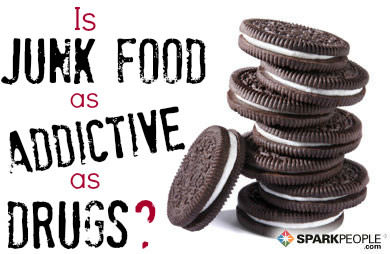
Is the Junk-Food 'Addiction' Study Junk Science?


"I'm fat because of Oreo cookies!" screamed the woman as she entered the weight-loss class I was coaching last week. In hand, she waved the press release from Connecticut College, which blared the warning, "Oreos are just as addictive as drugs!" 
 
 "I am addicted to certain foods, just like those rats were addicted to Oreo cookies," she continued on.  "It's supposed to be worse than being addicted to cocaine. How am I ever going to be successful with my weight loss?"

Should Obesity Be Classified as a Disease?


Yesterday, at their annual meeting, the American Medical Association decided to classify obesity as a disease. They hope this change will help doctors to better treat the complex condition and aid in the fight against type 2 diabetes and heart disease. While The New York Times reports that the AMA's decision has no legal authority, some medical professionals think the outcome will result in sweeping changes. 

8 Reasons Why You're Not Losing Weight


Sometimes, people can diet and work out and track their calories and do everything right—but still not lose weight. I can't begin to tell you how often members, friends and even acquaintances ask me why they're not losing weight despite doing X, Y or Z. It's one of the most common questions I get as a trainer. Sometimes, the answer isn't that easy to come by.
 
But usually, when someone seems to be doing the right things but not making progress, a list of possible problems runs through my head. These are the most common scenarios I tend to see that stop people from getting results—and they could be the culprits for your weight woes, too.

http://www.sparkpeople.com/blog/blog_topics.asp?topic=obesity

Friday, 26 September 2014

9 Foods to Help You Lose Weight

Delicious foods that help you diet? It sounds too good to be true.

No doubt: Weight loss comes down to simple math. You have to eat fewer calories than you burn.
"Certain foods can help you shed body weight," says Heather Mangieri, RD, a spokeswoman for the Academy of Nutrition and Dietetics, "because they help you feel full longer and help curb cravings."
Some even kick up your metabolism. So take this list when you go to the supermarket:
1. Beans
Inexpensive, filling, and versatile, beans are a great source of protein. Beans are also high in fiber and slow to digest. That means you feel full longer, which may stop you from eating more.

2. Soup

Start a meal with a cup of soup, and you may end up eating less. It doesn’t matter if the soup is chunky or pureed, as long as it's broth-based. You want to keep the soup to 100 to 150 calories a serving. So skip the dollops of cream and butter.

3. Dark Chocolate

Want to enjoy chocolate between meals? Pick a square or two of dark over the milky version. In one study, chocolate lovers who were given dark chocolate ate 15% less pizza a few hours later than those who had eaten milk chocolate.

4. Pureed Vegetables

You can add more veggies to your diet, enjoy your "cheat" foods, and cut back on the calories you’re eating, all at the same time. When Penn State researchers added pureed cauliflower and zucchini to mac and cheese, people seemed to like the dish just as much. But they ate 200 to 350 fewer calories. Those healthy vegetables added low-cal bulk to the tasty dish.

5. Eggs and Sausage

A protein-rich breakfast may help you resist snack attacks throughout the day. 
In a study of a group of obese young women, those who started the day with 35 grams of protein -- that’s probably way more than you’re eating -- felt fuller right away. The women ate a 350-calorie breakfast that included eggs and a beef sausage patty. The effect of the high-protein breakfast seemed to last into the evening, when the women munched less on fatty, sugary goods than the women who had cereal for breakfast.

6. Nuts

For a great snack on the run, take a small handful of almonds, peanuts, walnuts, or pecans. Research shows that when people munch on nuts, they automatically eat less at later meals. 

7. Apples

Skip the apple juice and the applesauce and opt instead for a crunchy apple. Whole fruit blunts appetite in a way that fruit juices and sauces don’t. 
One reason is that raw fruit has more fiber. Plus, chewing sends signals to your brain that you’ve eaten something substantial.